We’ve all been there. It’s 6:00 PM, you’re exhausted from work, and the last thing you want to do is stand over a stove for an hour. This is usually the moment where “the wheels fall off.” You grab a takeout menu or a bag of chips, and suddenly, your health goals are out the window.
The problem isn’t your willpower; it’s your logistics.
Modern life has made us “metabolically stuck.” We’ve trained our bodies to only burn sugar because sugar is easy and everywhere. We’ve lost the ability to tap into our own fat stores for energy. I call this being “Metabolically Rusted.” The Freezer-to-Instapot System is how we scrape that rust off. It’s a way to automate your nutrition so your body can finally start burning fat again without you having to think about it.
Understanding Metabolic Inflexibility in Modern Life
Metabolic inflexibility describes a state in which the body struggles to switch between burning carbohydrates and burning fat. In a flexible metabolic system, the body naturally alternates between these fuel sources depending on availability and demand. However, in modern environments where food is constantly available and physical activity is reduced, this switching mechanism weakens.
As a result, the body begins to rely heavily on glucose as its primary energy source. This creates a cycle where excess energy is continuously stored rather than efficiently used, gradually contributing to fat accumulation and reduced metabolic efficiency. Over time, even short periods of fasting or exercise may feel exhausting because the body has lost its adaptability.
Why Structured Meal Systems Matter
One of the most overlooked contributors to metabolic dysfunction is not just what people eat, but how inconsistently they eat. Frequent decision-making around food, irregular meal timing, and reliance on processed options introduce metabolic noise into the system. The body is repeatedly exposed to unpredictable energy signals, which reinforces storage behavior.
Freezer-to-Instant Pot systems address this by creating a stable, pre-planned nutritional environment. Meals are prepared in batches, frozen for preservation, and quickly reheated when needed. This removes daily decision fatigue and ensures that food intake remains consistent in both quality and quantity.
Over time, this consistency helps reduce internal stress on metabolic regulation systems. Digestion becomes more predictable, hormonal responses stabilize, and the body is no longer constantly reacting to fluctuating food inputs. This sets the stage for improved fat utilization and energy balance.
Who Benefits Most from This Approach
This system is especially relevant for individuals who feel stuck despite their efforts. Many people fall into two common patterns. The first is the “overworked and under-energized” state, where individuals feel exhausted, mentally foggy, and physically heavy despite consuming adequate food. The second is the “diet-resistant” state, where strict dieting and exercise do not produce expected fat loss results.
In both cases, the underlying issue is often not discipline, but metabolic rigidity. The body continues to behave as if it is in a storage-priority mode, making fat loss extremely difficult. Structured meal systems help reduce this internal confusion by restoring stability in energy intake patterns.
THE WHY: Why Does Your Engine Feel Rusted?
Think of your metabolism like a hybrid car. You should be able to run on electricity (sugar) or gas (fat). But most of us have been running on electricity for so long that the gas engine has seized up.
This happens because of the “Modern Mismatch.” Our ancestors had to survive winters where food was scarce, which kept their fat-burning engines in tip-top shape. Today, we have “Constant Summer”—food is everywhere, and it’s always warm. Our enzymes, specifically ones called CPT-1 (the gatekeeper for fat-burning) and PDH (the manager of sugar-burning), have become sluggish.
The Why behind the Instapot is simple: high pressure and moisture break down tough fibers and “anti-nutrients” that usually make us feel bloated and tired. It makes the food easy for your body to turn into clean energy.
THE WHAT: What is the System?
The Freezer-to-Instapot System is built on three simple bags you keep in your freezer:
- The Protein Base: Pre-portioned bags of grass-fed beef, chicken, or wild fish. We season them with things like ginger and turmeric—spices that act like “metabolic signals” to your cells.
- The Green Foundation: Hearty veggies like broccoli, kale, and cauliflower that can handle being frozen and then pressure-cooked. These provide the fiber that feeds your gut and helps your “longevity genes” wake up.
- The Flavor Toggles: These are your add-ins. Sometimes it’s a healthy fat like coconut milk; other times it’s a “smart carb” like a sweet potato. These tell your body whether to “Burn” fat or “Nourish” your muscles.
The Environmental Shift Behind Weight Gain
Human metabolism evolved in a world that naturally included cycles of scarcity, movement, and rest. These cycles helped regulate energy storage and utilization efficiently. In contrast, modern life is characterized by constant food availability, minimal physical demand, artificial lighting, and irregular sleep patterns.
This creates what can be described as a “metabolic mismatch.” The body remains in a continuous energy-surplus perception, even when actual intake is not excessive. Over time, this disrupts the natural switching mechanism between fat and carbohydrate metabolism, reducing metabolic flexibility.
Freezer-to-Instant Pot systems help partially restore balance by reintroducing structure into an otherwise chaotic nutritional environment.
THE HOW: The 10-Day “Switch” Protocol
This isn’t a forever diet. It’s a 10-day “sprint” to fix the switch. Here is how we do it:
Days 1–4: The Great Pivot
The Goal: Empty the sugar tank. The Experience: You’ll probably feel a little “flat” on Day 2, and that’s a good sign. It means your body is looking for sugar and not finding it. By Day 3, your body starts to “panic” and finally flips the switch to burn fat. The Move: 14-hour fasts and morning walks. The Food: Low-carb Freezer-to-Instapot bags. High protein, high greens.
Days 5–7: The Balancing Act
The Goal: Keep the fat-burning engine running without crashing your hormones. The Experience: This is where the magic happens. You’ll notice your brain fog starts to lift. You aren’t “hangry” anymore. The Move: We add a little bit of healthy fat (MCT oil or avocado) to keep your brain fueled while the body does the heavy lifting.
Days 8–10: The Efficiency Check
The Goal: Make the switch “permanent.” The Experience: You should feel lighter and more stable. We use short bursts of exercise here to “polish” your cellular batteries and make them more efficient.
Rebuilding Metabolic Flexibility
The core objective of this approach is not extreme restriction but the gradual restoration of metabolic flexibility. When the body is exposed to consistent meal timing and simplified food patterns, it begins to recalibrate its energy processing systems.
As consistency improves, the body becomes more responsive to both fasting and feeding signals. This means it can more efficiently shift toward fat utilization during energy demand and appropriately use glucose when required. Over time, this improves overall metabolic efficiency and reduces unnecessary fat storage.
Movement, sleep quality, and stress management further enhance this adaptation process. When combined with structured nutrition, they form a supportive environment for metabolic recovery.
How Freezer-to-Instant Pot Systems Work in Practice
At a practical level, this system works by removing randomness from food decisions. Instead of relying on daily cooking choices, meals are pre-prepared in bulk, frozen, and quickly cooked when required. This creates a controlled food environment that naturally limits overeating and reduces exposure to processed, impulsive food choices.
More importantly, it allows individuals to maintain consistent macronutrient intake without daily effort. This consistency plays a significant role in stabilizing energy levels throughout the day. When the body no longer experiences sudden spikes and crashes in fuel availability, it begins to regulate energy more efficiently.
The Bigger Metabolic Picture
Weight loss is not simply a result of calorie reduction. It is a reflection of how efficiently the body manages energy. When metabolic flexibility is low, even reduced calorie intake may not produce desired results. However, when flexibility improves, the body becomes more efficient at using stored energy while maintaining stable performance.
Freezer-to-Instant Pot systems act as a foundational tool in this process. They do not directly “burn fat,” but they create the conditions in which fat burning becomes easier and more natural for the body.
THE WHERE: The 90-Minute Sunday Shift
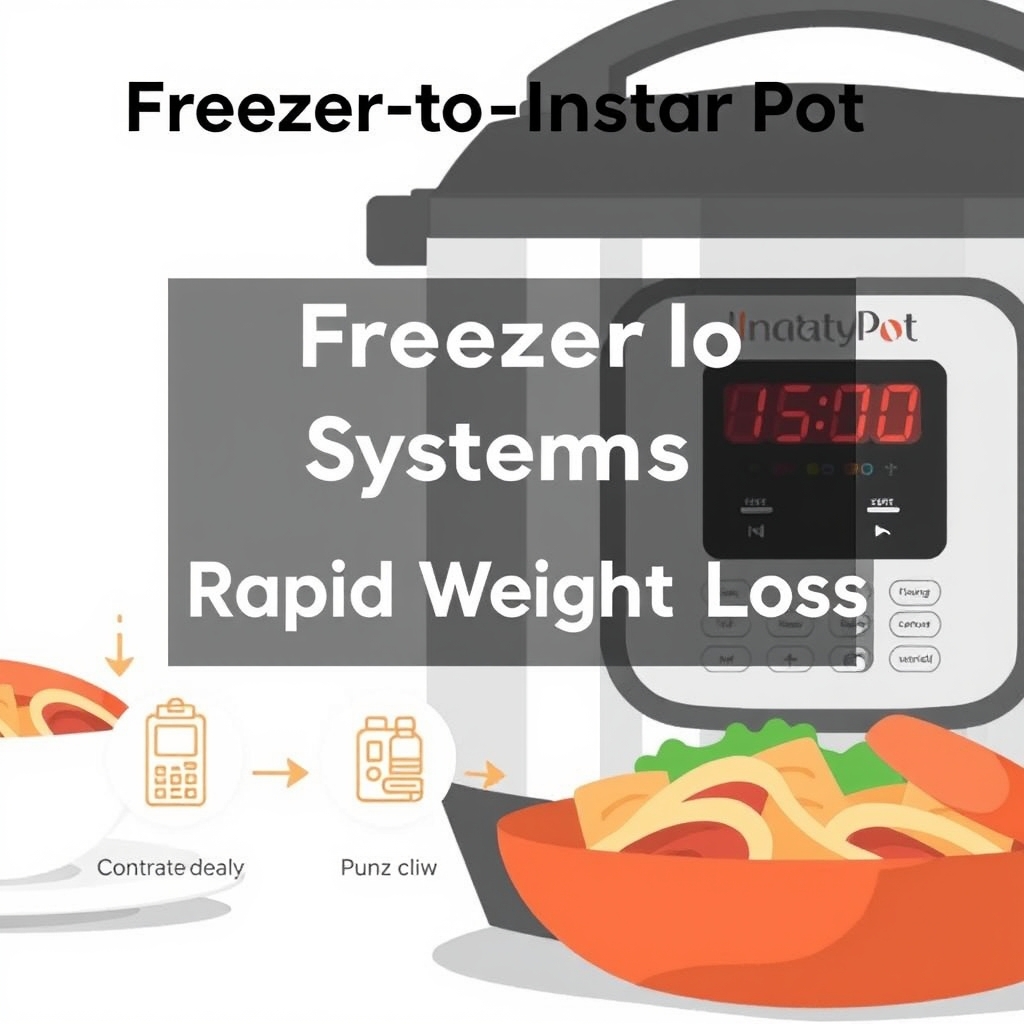
Where does this happen? It happens once a week, in your kitchen. You spend 90 minutes on Sunday afternoon putting your “Base Ingredients” into bags. You label them “Burn” or “Nourish.” Then, during the week, you just take a bag out of the freezer, toss it in the Instapot, and 15 minutes later, you have a high-performance meal.
This removes the “Where should I eat?” stress that ruins most people’s health.
The 10-Day Logic Table
| Phase | Days | Focus | The Result |
| The Pivot | 1–4 | Draining the Sugar | Flipping the “Fat Switch” |
| The Sync | 5–7 | Fueling the Brain | Stable Energy / No Hunger |
| The Switch | 8–10 | Polishing the Cells | Long-term Metabolic Freedom |
Internal Workout Guides
For more information on workout and exercise protocols, visit our Rapid Fat Loss Protocols and Meal Prep Systems pages.
External Research Sources
For further reading on the topics of **AMPK**, **mTOR**, and **GLUT4**, visit the PubMed and Mayo Clinic websites.
Related Articles
For more information on related topics, check out our articles on Weight Loss Diet: What It Is, How It Works & What to Expect
7 Simple Weight Loss Diet Rules That Actually Work for Busy People
Gut-Friendly Foods You Can Eat Daily for Better Digestion
Nightshade-Free Dinners for Autoimmune Support: The Ultimate Guide
Curcumin and Black Pepper: 5 Recipes for Maximum Absorption
Low-Lectin Comfort Foods that Support Joint Health
Anthocyanin-Rich Desserts for Mitochondrial Protection
The Sprouted Grain Guide: Reducing Phytic Acid in Your Diet
The 90-Minute Sunday Shift: Prep 15 Meals with Zero Waste
Macronutrient Balancing for High-Performance Workweeks
Batch Cooking for GLP-1: Small Portions, High Density
The Ultimate ‘Base Ingredient’ Strategy: A 2026 Technical Manual for Metabolic Freedom
Freezer-to-Instapot Systems for Rapid Weight Loss
REAL QUESTIONS (FAQ)
1. Does frozen food lose its nutrients? Actually, no. Frozen veggies are often picked and frozen at their peak, meaning they have more vitamins than the “fresh” stuff that’s been sitting on a grocery shelf for a week. The Instapot then locks those nutrients in with high pressure.
2. I’m always stressed—will this still work? If you’re super stressed, don’t do the fasts or the hard workouts. Focus on the “Nourish” bags—high-protein stews and bone broths from the Instapot. They are soothing for your system and won’t add to your “stress bucket.”
3. What is the “Randle Cycle” thing? It’s basically a biological rule: your body can’t burn fat and sugar at the same time. If you eat a high-fat and high-sugar meal (like a burger and fries), your body burns the sugar and stores the fat. This system helps you separate them so you can actually burn the fat.
4. Can I do this if I’m taking weight-loss meds? Yes. In fact, people on these meds often lose muscle because they don’t eat enough. The Instapot makes protein easy to digest, which helps you keep your muscle while the meds help you lose the fat.
5. Do I have to buy a fancy Instapot? Any pressure cooker works. The “magic” isn’t the brand; it’s the high-pressure steam that makes the food so easy for your body to use as fuel.
FINAL TAKEAWAY: The 2026 Roadmap
Fixing your metabolism isn’t about suffering; it’s about precision. By using the Freezer-to-Instapot system, you’re taking the guesswork out of your day. You’re giving your body the right signals at the right time.
When your engine works correctly, the weight takes care of itself.
Ready to stop the guessing game? Download our Burn & Nourish 28-Day Reset. It has all the bag recipes and the exact Instapot settings to get you started today.
🚀 Master Your Metabolism
Download our complete 2026 PDF guide for shopping lists and advanced protocols.