
Which gut-friendly food feels easiest for you to start today? Gut-Friendly Foods :Most people don’t wake up thinking about gut health.
They wake up feeling bloated, heavy, uncomfortable, or tired even after a full night’s sleep. Breakfast feels rushed, lunch feels heavy, and by evening, digestion feels slow and irritating. Over time, this becomes “normal.”Digestive issues like bloating, gas, acidity, constipation, loose stools, and stomach discomfort have become normal—but they shouldn’t be.
But here’s the truth — your gut quietly controls how you feel every day.
Most people think:
- “I need tablets”
- “This is normal with age”
- “It’s because of stress only”
Truth is 👉 digestion problems start in the gut because of daily food habits, not because your body is weak.
Your digestive system is designed to heal naturally when you:
- Eat the right foods
- Eat them the right way
- Give your gut time to repair
This post will show you how food alone can fix digestion, without medication, powders, or fancy supplements.
No theory. No hype. Just practical, real-life guidance.
What you eat daily doesn’t just affect digestion. It influences:
- Energy levels
- Mood and focus
- Immunity
- Weight balance
This guide focuses on gut friendly foods you can realistically eat every day — not extreme diets, not expensive superfoods, and not complicated rules.
From my experience, small daily food changes are far easier to maintain than strict plans, and they often make the biggest difference over time.
This article is written for beginners, busy people, and anyone who wants better digestion without stress or medication.
This article is regularly updated to reflect current nutrition and gut wellness practices in 2026.
This guide is designed for real people living real lives—not for those following extreme nutrition plans or medical protocols.
✅ Who This Guide Is For
People struggling with bloating or slow digestion
If you often feel heavy after meals, experience gas, acidity, or sluggish digestion, this guide helps you understand which everyday foods are gentler on the gut and why consistency matters more than restriction.
Beginners who want simple gut-friendly eating
If nutrition advice feels confusing or overwhelming, this guide simplifies gut health into basic food choices you can follow without stress, calorie counting, or complicated rules.
Anyone looking for daily foods that support gut health
If your goal is long-term digestive comfort, better energy, and balanced eating habits, these foods can be safely included in most daily diets.
⚠️ Who Should Be Careful
Those with diagnosed digestive conditions
People with IBS, IBD, ulcers, or other medical conditions should use this guide as general education only and seek personalized guidance from a qualified professional.
Anyone with food allergies or intolerances
If you have known allergies or reactions, foods should be adjusted accordingly. Gut-friendly does not mean universally suitable.
Why Gut Problems Are So Common Today
Gut discomfort has become extremely common—not because people eat “too much,” but because how and what we eat has changed dramatically.
Modern eating habits place constant pressure on the digestive system.
- Meals are rushed, often eaten while working, driving, or scrolling
- Fiber intake is low due to refined and packaged foods
- Processed foods dominate daily diets, even when portions seem small
- Chronic stress quietly disrupts digestion and gut movement
Digestion requires time, calm, and proper signals from the brain. When meals are eaten quickly or under stress, the gut doesn’t function efficiently. Over time, this leads to bloating, acidity, constipation, irregular bowel movements, and discomfort that becomes routine.
Many people try to fix these issues with quick solutions such as digestive pills, detox drinks, or extreme fasting. While these may offer temporary relief, they rarely solve the root problem.
The most common issue is inconsistency.
Gut health is not fixed in a day. It responds slowly, quietly, and steadily to what you eat every single day. Small daily choices matter far more than occasional “perfect” meals or short-term cleanses.
How Digestion Actually Works (Simple Explanation)
Before jumping into foods, you must understand what digestion needs to work properly.
Good digestion depends on:
- Strong stomach acid (not weak!)
- Healthy gut bacteria
- Proper enzyme release
- Calm nervous system
- Regular bowel movement
When even one part fails, problems start.
Most people unknowingly:
- Eat foods that slow digestion
- Combine foods wrongly
- Eat too fast
- Eat at the wrong time
So the goal of food is not just “healthy”, but easy for your gut to process.
The Real Reason Medications Don’t Fix Digestion
Antacids, laxatives, and gas tablets:
- Suppress symptoms
- Do NOT repair gut lining
- Do NOT balance bacteria
- Do NOT improve enzyme function
That’s why problems return once medicine stops.
Food, on the other hand:
- Repairs gut lining
- Feeds good bacteria
- Improves stool quality
- Reduces inflammation naturally
Now let’s go food-by-food with deep explanations.
Gut-Friendly Foods – What Actually Helps
The foods below are not trends. They are familiar, affordable, and realistic for daily life. When prepared properly and eaten consistently, they support digestion without stressing the gut.
1️⃣ Cooked Vegetables (Not Raw All the Time)
Lightly cooked vegetables such as carrots, bottle gourd, pumpkin, spinach, and zucchini are easier for the digestive system to handle than raw vegetables, especially for sensitive guts.
Cooking softens fiber and reduces the workload on digestion. Steaming, light sautéing, or pressure cooking with minimal spices works best. In daily life, this often looks like a simple lunch sabzi or a light vegetable curry at dinner.
When vegetables are cooked, the gut can absorb nutrients more comfortably without excessive gas or bloating.
Your gut loves warmth and softness.
Cold, raw, and dry foods:
- Slow stomach emptying
- Cause gas and bloating
- Stress the intestines
Warm, cooked foods:
- Need less energy to digest
- Improve nutrient absorption
- Calm the digestive tract
Best Warm Foods for Digestion
- Soft-cooked rice
- Steamed vegetables
- Vegetable soups
- Khichdi
- Light dals
Why it works:
Cooking breaks down fibers, making them easier for enzymes to handle.
👉 If you struggle with bloating or acidity, this step alone can reduce 50% of symptoms.
What it is:
Lightly cooked vegetables like carrots, bottle gourd, pumpkin, spinach, and zucchini.
How to use daily:
Steam, sauté lightly, or pressure-cook with minimal spices.
Daily life example:
Lunch sabzi or dinner vegetable curry.
2️⃣ Curd / Yogurt (Plain & Unsweetened)
Plain curd or yogurt is a naturally fermented food that provides beneficial bacteria. When eaten in small amounts, it supports gut balance rather than overwhelming digestion.
Including a small bowl of curd after lunch, drinking buttermilk, or eating simple curd rice are easy daily options. Avoid sweetened or flavored yogurts, which often disrupt gut balance.
Regular intake supports healthy gut bacteria and improves digestion over time.
Your gut needs good bacteria.
Fermented foods provide live cultures that:
- Improve bowel movement
- Reduce gas
- Improve immunity
- Heal gut lining
Best Natural Fermented Foods
- Curd (not cold, not at night)
- Buttermilk
- Idli / Dosa batter
- Fermented rice water (kanji)
Important:
Start small. Too much fermentation too fast can cause bloating initially.
What it is:
Naturally fermented dairy containing beneficial bacteria.
How to use daily:
Small bowl after lunch or as part of a meal.
Daily life example:
Curd rice, buttermilk, or plain yogurt with meals.
Why it helps:
Supports good gut bacteria and improves digestion balance.
3️⃣ Bananas (Ripe, Not Overripe)
Ripe bananas are one of the gentlest fruits for digestion. They contain prebiotic fiber that feeds healthy gut bacteria and helps calm acidity.
Eating one banana mid-morning or with breakfast is usually well tolerated. It works well with oats or as a simple standalone snack.
Bananas support gut comfort without triggering irritation when eaten in moderation.
What it is:
A gentle fruit rich in prebiotic fiber.
How to use daily:
One banana mid-morning or with breakfast.
Daily life example:
Banana with oats or as a simple snack.
Why it helps:
Feeds healthy gut bacteria and reduces acidity.
4️⃣ Oats (Plain, Not Sugary)
Plain oats are a fiber-rich whole grain that supports regular digestion and bowel movements. When cooked properly, oats are filling without feeling heavy.
They can be eaten as vegetable oats for breakfast or as a light dinner. Pairing oats with curd can further improve digestion.
Avoid instant or sugary versions, which reduce gut benefits.
What it is:
A fiber-rich whole grain that supports digestion.
How to use daily:
Cooked oats for breakfast or dinner.
Daily life example:
Vegetable oats or plain oats with curd.
Why it helps:
Supports regular bowel movements and gut balance.
5️⃣ Soaked Nuts & Seeds
Soaking nuts and seeds overnight reduces compounds that can irritate digestion. Almonds, walnuts, flaxseeds, and chia seeds become gentler and easier to absorb.
A small morning portion—such as three to four soaked almonds with one teaspoon of seeds—is enough. More is not better.
Healthy fats from soaked nuts support the gut lining and help reduce inflammation.
What it is:
Almonds, walnuts, flaxseeds, or chia seeds soaked overnight.
How to use daily:
Small quantity in the morning.
Daily life example:
3–4 soaked almonds + 1 tsp seeds.
Why it helps:
Healthy fats support gut lining and digestion.
6️⃣ Rice (Properly Cooked & Warm)
Properly cooked, warm rice is one of the easiest foods for the gut to digest. Many people avoid rice unnecessarily, but for digestion, it is often more comfortable than refined alternatives.
Eating rice with dal and cooked vegetables at lunch or dinner provides balanced nourishment without stressing digestion.
Cold or undercooked rice can be harder to digest, so preparation matters.
What it is:
Simple, well-cooked rice — not undercooked or cold.
How to use daily:
Lunch or dinner with vegetables.
Daily life example:
Rice + dal + cooked vegetables.
Why it helps:
Easier to digest than many refined alternatives.
7️⃣ Lentils & Dals (Soaked & Cooked Well)
Lentils such as moong dal, masoor dal, and toor dal provide fiber and protein when prepared correctly.
Soaking before cooking and using mild spices makes them easier to digest. In daily life, dal with rice or roti is a common and gut-friendly meal.
Well-prepared lentils nourish the gut without causing heaviness.
What it is:
Moong dal, masoor dal, toor dal.
How to use daily:
Soak before cooking, use mild spices.
Daily life example:
Dal with rice or roti.
Why it helps:
Provides fiber and protein without stressing digestion.
8️⃣ Fermented Foods (Small Amounts)
Fermented foods such as idli, dosa batter, or lightly fermented vegetables support gut bacteria diversity when eaten in moderation.
Including them once a day, such as idli or dosa for breakfast, is usually sufficient. Excessive intake can cause bloating in some people.
Small, regular portions are key.
What it is:
Idli, dosa batter, fermented vegetables.
How to use daily:
Once a day in small portions.
Daily life example:
Breakfast idli or dosa.
Why it helps:
Naturally supports gut bacteria diversity.
9️⃣ Warm Water & Herbal Teas
Warm fluids gently stimulate digestion and reduce bloating. Plain warm water, ginger tea, or cumin water are simple daily options.
Drinking warm water on waking or between meals helps food move smoothly through the digestive system and reduces discomfort.
Avoid excessive cold drinks, especially with meals.
What it is:
Plain warm water, ginger tea, cumin water.
How to use daily:
Morning or between meals.
Daily life example:
Warm water on waking.
Why it helps:
Supports smooth digestion and reduces bloating.
Fruits That Support Digestion (When Eaten Right)
Fruits are powerful—but timing matters.
Best Digestive Fruits
- Papaya
- Banana
- Apple (stewed)
- Pomegranate
- Pineapple (small quantity)
When to Eat Fruits
- Morning
- Between meals
- NOT after heavy meals
Eating fruit after meals causes:
- Fermentation
- Gas
- Acidity
Healthy Fats That Lubricate the Gut
Fear of fat ruins digestion.
Healthy fats:
- Improve stool movement
- Reduce dryness
- Heal gut lining
Best Digestive Fats
- Ghee
- Coconut oil
- Sesame oil (small quantity)
Avoid:
- Reused oils
- Deep-fried foods
- Industrial seed oils
A little fat is essential for gut health.
Spices That Act Like Natural Digestive Medicine
Indian kitchens already have digestion boosters.
Best Digestive Spices
- Cumin
- Ginger
- Fennel
- Coriander
- Asafoetida (hing)
These:
- Improve enzyme secretion
- Reduce gas
- Improve appetite
Use spices in small, balanced amounts, not excess.
Liquids That Heal the Digestive Tract
What you drink matters as much as what you eat.
Best Digestive Drinks
- Warm water
- Jeera water
- Buttermilk
- Ginger tea
Avoid:
- Ice-cold drinks
- Soda
- Too much coffee
Cold drinks shock digestion and slow metabolism.
Eating Habits That Decide Digestion More Than Food
Even healthy food can cause problems if habits are wrong.
Digestion-Supporting Habits
- Eat slowly
- Chew properly
- Fixed meal times
- No overeating
Avoid:
- Eating while stressed
- Eating late at night
- Skipping meals then overeating
Your gut listens to routine.
Foods to Avoid When Healing Digestion
Temporary avoidance helps healing.
Avoid:
- Bakery items
- Packaged snacks
- Excess sugar
- Fried foods
- Alcohol
These irritate the gut lining and disturb bacteria balance.

Natural Enzymes From Food That Boost Digestion
Your body produces digestive enzymes, but poor diet + stress reduces them.
Instead of enzyme tablets, certain foods naturally stimulate enzyme release.
Enzyme-Boosting Foods
- Papaya (papain enzyme)
- Pineapple (bromelain)
- Ginger
- Sprouted grains
- Fermented foods
Why this matters:
Enzymes break food into absorbable nutrients. When enzyme activity is low:
- Food sits longer in stomach
- Fermentation increases
- Gas and bloating happen
Eating enzyme-rich foods reduces workload on your stomach, making digestion smooth without medicines.
Soaked Foods: Gentle on the Gut, Powerful for Healing
Soaking is an ancient technique that modern diets ignore.
Why Soaking Helps
- Reduces anti-nutrients
- Softens fibers
- Improves mineral absorption
- Makes food easier to digest
Best Foods to Soak
- Nuts (almonds, walnuts)
- Seeds (chia, flax)
- Lentils
- Raisins
Example:
Soaked almonds digest better than raw ones and don’t cause heaviness or acidity.
👉 This is especially helpful for people with sensitive stomachs.
Gut-Calming Foods for Stress-Related Digestive Issues
Stress doesn’t just affect the mind—it directly shuts down digestion.
When stressed:
- Blood moves away from gut
- Acid balance changes
- Bloating increases
Foods That Calm the Gut-Nervous System
- Warm milk (if tolerated)
- Oats
- Banana
- Rice porridge
- Herbal teas (ginger, fennel)
These foods activate the parasympathetic nervous system, helping your gut relax and digest properly.
Timing Foods to Match Your Digestive Strength
Digestion is strongest at midday and weakest at night.
Best Timing Rule
- Heavy meals → Afternoon
- Light meals → Night
- Fruits → Morning or between meals
Eating heavy food late at night causes:
- Indigestion
- Acid reflux
- Poor sleep
- Next-day bloating
Food quality + food timing = complete digestion.
Foods That Support Regular Bowel Movement Naturally
Constipation is not always about fiber—it’s about hydration + gut rhythm.
Foods That Improve Bowel Movement
- Cooked vegetables
- Ghee
- Soaked fruits
- Warm water
- Buttermilk
Avoid depending on laxatives.
They weaken natural bowel reflex over time.
Natural food-based bowel regularity is permanent, not temporary relief.
Healing the Gut Lining With Everyday Foods
Many digestive issues come from inflamed or damaged gut lining.
Signs:
- Food sensitivity
- Frequent acidity
- IBS-like symptoms
Gut-Lining-Healing Foods
- Rice water
- Curd
- Bone broth / veg broth
- Cooked pumpkin
- Coconut-based foods
These foods:
- Reduce inflammation
- Improve nutrient absorption
- Strengthen gut barrier
Healing the lining = long-term digestive freedom.
🔥 Key Takeaway (Very Important)
You don’t need:
- Pills
- Fancy supplements
- Extreme diets
You need:
- Correct foods
- Correct timing
- Correct habits
Digestion heals layer by layer, not overnight—but it heals for good.
REALITY CHECK
Gut health improves slowly, not instantly.
No single food fixes digestion overnight.
Small, consistent choices matter more than dramatic changes.
Daily habits build long-term gut balance.
- Gut health improves gradually, not instantly
- No single food fixes digestion overnight
- Small, consistent choices matter more than dramatic changes
- Daily habits—not detoxes—build long-term gut balance
The goal is not perfection.
The goal is consistency.
When the gut feels supported every day, digestion improves quietly—and the rest of the body follows naturally.
Quick Reference – Gut Friendly Foods Checklist
| Food | How Often | Beginner Friendly |
| Cooked vegetables | Daily | Yes |
| Curd / yogurt | Daily | Yes |
| Banana | Daily | Yes |
| Oats | 4–5x/week | Yes |
| Soaked nuts & seeds | Daily | Yes |
| Rice | Daily | Yes |
| Lentils / dal | Daily | Yes |
| Fermented foods | 3–4x/week | Yes |
| Warm water | Daily | Yes |
What Results Can You Expect Over Time?
With consistent gut-friendly eating, many people notice:
- Less bloating
- Smoother digestion
- Improved energy levels
- Better food tolerance
- Reduced heaviness after meals
Results vary, but steady habits often support long-term digestive comfort.
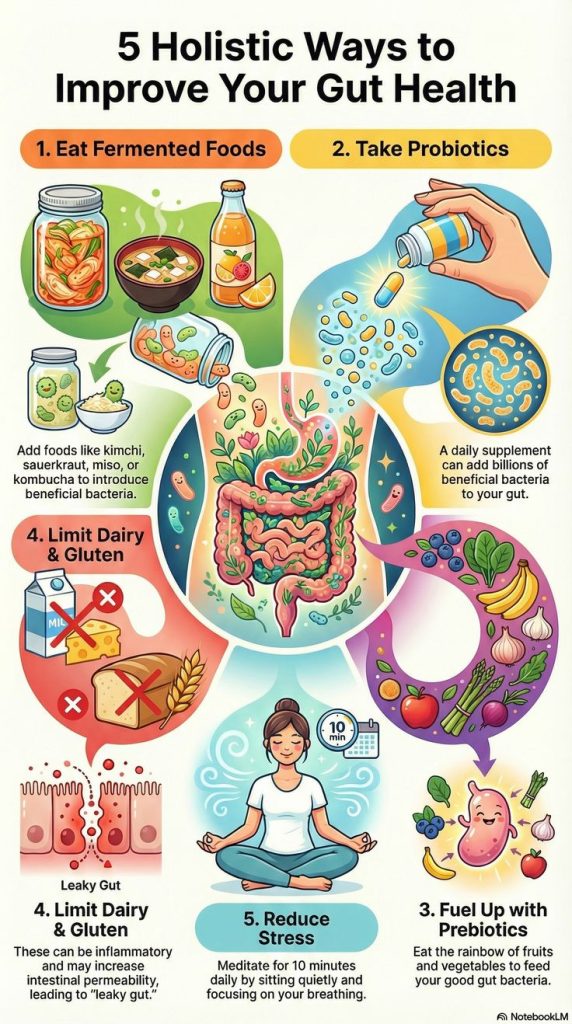
Final Takeaway
Gut health doesn’t require extreme diets or expensive supplements.
It improves quietly through daily food choices.
Focus on foods your body recognizes, digests easily, and tolerates well.
Progress matters more than perfection.
Small, consistent steps create lasting digestive comfort.
Small Steps Matter
Start by adding one gut friendly food to your daily meals.
Bookmark this guide and build gradually.
Also Read More : Weight Loss Diet: What It Is, How It Works & What to Expect
7 Simple Weight Loss Diet Rules That Actually Work for Busy People
FAQ
Q1: What are gut friendly foods?
Gut friendly foods are foods that are easy to digest and support healthy gut bacteria.
Q2: Can gut friendly foods reduce bloating?
Yes, many gut friendly foods may help reduce bloating when eaten consistently.
Q3: How long does gut health take to improve?
Gut health improves gradually over weeks with consistent habits.
Q4: Are fermented foods necessary daily?
No. Small, regular intake is enough.
Q5: Can I eat gut friendly foods for weight loss?
Yes, gut friendly foods often support balanced weight naturally.