
Which of these habits feels easiest for you to start today? Most people believe digestion problems start inside the stomach.
But for many of us, digestive discomfort begins much earlier — right at the dining table.
Think about a typical day. Breakfast eaten while scrolling on the phone. Lunch rushed between work or household tasks. Dinner eaten while leaning on the sofa or lying down. Later, bloating appears. Sometimes heaviness. Sometimes acidity. And we wonder, “Why does my digestion feel off even when I eat healthy food?”
This is where how chewing, posture, and eating speed affect gut health becomes important. Digestion isn’t only about what you eat — it’s also about how your body receives that food.
This guide is designed for beginners who want practical, everyday digestion support, without supplements or extreme rules. From my experience, small habit changes around eating feel easier to maintain than changing the entire diet overnight.
We’ll walk through the day — morning to night — and understand how simple actions like chewing properly, sitting posture, and slowing down meals can support better gut comfort naturally.
This article is regularly updated to reflect current wellness practices in 2026.

Who This Guide Is For
Many people eat healthy foods but still feel uncomfortable afterward. This usually happens when eating habits don’t match digestive needs.
For example, someone may eat fruits, vegetables, and home-cooked meals — yet still feel bloated simply because meals are rushed or eaten while standing.
This guide is for:
- People looking for simple daily gut-friendly habits
- Beginners who want sustainable routines, not strict rules
- Anyone experiencing mild bloating, heaviness, or irregular digestion
These habits fit easily into real life — even busy mornings and late dinners.
Who Should Be Careful
Some digestive symptoms need personal medical guidance.
For example, someone with diagnosed digestive conditions may notice discomfort even with small changes.
This guide is not a replacement for medical advice.
Those with specific medical conditions should seek personal guidance before making major routine changes.
Why Digestive Discomfort Is So Common Today
Digestive discomfort is no longer something people experience occasionally. For many, it has become part of everyday life.
A person may eat a normal, home-cooked meal and still feel heavy afterward. Another may feel bloated even though the food wasn’t oily or spicy. Some feel sleepy, sluggish, or uncomfortable soon after eating, without understanding why.
What’s confusing is that the food itself often isn’t the problem.
In many cases, digestion struggles because of how food is eaten, not what food is eaten.
Modern routines encourage rushed meals, eating while distracted, and ignoring basic body signals. Breakfast is eaten while checking messages, lunch is finished quickly between work tasks, and dinner is eaten while lying back or watching screens. Chewing becomes minimal, posture is forgotten, and eating speed increases without awareness.
What usually goes wrong is the first stage of digestion — the preparation of food in the mouth. When food isn’t properly chewed and mixed with saliva, the stomach and gut are forced to work harder than they should. Over time, this extra effort shows up as bloating, heaviness, irregular digestion, and discomfort.
Digestive issues often build slowly, making them easy to ignore — until they become frequent enough to affect daily comfort.
How Chewing, Posture, and Eating Speed Affect Gut Health – What Actually Helps
1️⃣ Chewing Food Slowly in the Morning Sets the Digestive Tone
Morning digestion quietly sets the pace for the entire day. The first meal tells the gut whether the day will be rushed or relaxed.
When breakfast is eaten quickly — a few bites swallowed while standing or scrolling — many people notice they feel hungry again too soon. Others feel bloated or uncomfortable by mid-morning, even if the meal was simple.
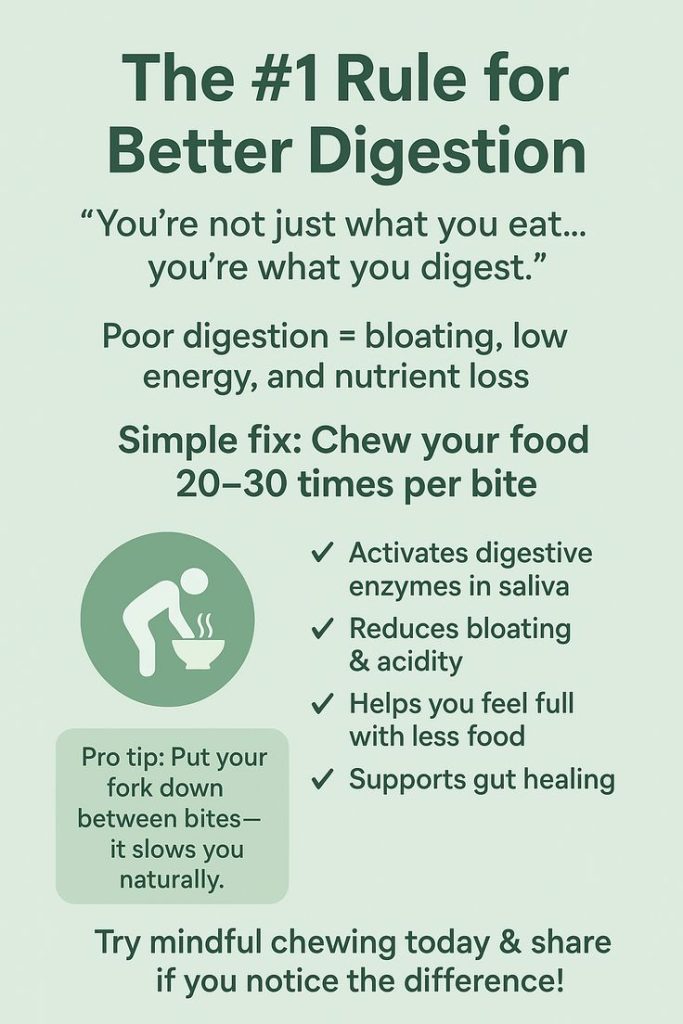
Chewing food thoroughly until it feels soft prepares the digestive system gently. There’s no need to count chews. The goal is calm, unhurried chewing.
This habit fits best at breakfast or the first meal of the day, when digestion is just waking up. Proper chewing mixes food with saliva, easing the workload on the stomach and helping digestion begin without stress.
2️⃣ Eating Without Screens Improves Natural Eating Speed
Distraction quietly changes how fast we eat.
When meals are eaten while watching videos or scrolling through phones, the body doesn’t register how much food is being consumed. Meals often end before fullness is noticed, leading to discomfort minutes later.
Removing screens during meals doesn’t require perfection. Even keeping one main meal screen-free makes a difference.
When attention is on the food, eating speed naturally slows down. This allows the gut to process food more comfortably and reduces the chances of overeating or bloating.
3️⃣ Upright Sitting Posture Helps Food Move Smoothly
Posture plays a bigger role in digestion than most people realize.
Eating while slouching, leaning forward, or curling over a screen compresses the abdomen. This often leads to heaviness or pressure after meals.
Sitting upright with relaxed shoulders and feet flat on the floor allows the digestive organs to function without restriction. This posture supports the natural movement of food through the digestive tract.
This habit fits all seated meals and becomes more effective the more consistently it’s practiced.
4️⃣ Slowing Down Lunch Prevents Afternoon Sluggishness
Midday digestion is naturally strong — but only if supported properly.
Rushed lunches are common and often followed by afternoon fatigue, heaviness, or mental fog. Eating quickly overloads the stomach before the body has time to signal fullness.
Taking small pauses between bites helps the body recognize when enough food has been eaten. This prevents overload and supports steadier energy levels through the afternoon.
5️⃣ Taking Small Bites Reduces Digestive Workload
Bite size matters more than most people think.
Large bites are harder to chew properly, even when the food itself is healthy. This often leads to swallowing food before it’s fully prepared for digestion.
Smaller bites are easier to chew, mix better with saliva, and reach the stomach in a more digestible form. Over time, this reduces strain on the digestive system and improves overall comfort.
6️⃣ Gentle Breathing Between Bites Supports Gut Relaxation
Digestion works best when the body feels calm.
During stress or rushed eating, breathing becomes shallow. This signals the body to stay alert instead of focusing on digestion. Stress eating often leads to bloating or discomfort afterward.
Taking gentle breaths between bites helps the nervous system relax. A relaxed body supports smoother digestion without effort.
7️⃣ Eating Speed Affects Hunger and Fullness Signals
Fast eating confuses the body’s natural signals.
Many people feel fine while eating quickly but suddenly feel overfull or uncomfortable minutes later. That’s because fullness signals take time to register.
Slower eating allows these signals to work properly. The body can recognize satisfaction before discomfort sets in, leading to more balanced meals.
8️⃣ Dinner Posture Impacts Night-Time Comfort
Evening digestion is naturally slower.
Eating dinner while lying back or slouching increases the chances of nighttime discomfort. Food doesn’t move as efficiently, leading to heaviness or disturbed sleep.
Sitting upright during dinner supports comfortable digestion and prepares the body for rest. This habit becomes especially important for evening meals.
9️⃣ Chewing Well Reduces Late-Night Cravings
Poor chewing often leaves meals feeling incomplete.
When food isn’t chewed properly, satisfaction signals are weaker. This can lead to unnecessary snacking later at night, even after a full dinner.
Proper chewing improves meal satisfaction and helps the body feel truly nourished, reducing the urge to snack unnecessarily.
🔟 Consistent Eating Habits Train the Gut Over Time
The gut learns from repetition.
Irregular habits — eating fast one day, slow the next — create unpredictable digestion. Over time, this leads to inconsistent comfort.
Consistent chewing, posture, and eating speed help train the gut to work smoothly. Stability builds comfort gradually and supports long-term digestive wellness.
REALITY CHECK
Digestive changes don’t happen overnight. Many people first notice small improvements — less heaviness, slightly better comfort, or improved awareness while eating.
Results vary from person to person. Small steps practiced consistently matter more than quick or extreme changes.
Over time, steady habits support long-term digestive wellness in a natural, sustainable way.
QUICK REFERENCE TABLE / CHECKLIST
| Habit | How Often | Beginner-Friendly |
| Chewing slowly | Every meal | Yes |
| Upright posture | Main meals | Yes |
| Screen-free eating | Once daily | Yes |
| Slower eating | Lunch & dinner | Yes |
WHAT RESULTS CAN YOU EXPECT OVER TIME?
These habits may help improve digestion comfort.
They can support better awareness of hunger and fullness.
They often improve how meals feel afterward.
No timelines.
No promises.
Just gradual support.
CONCLUSION
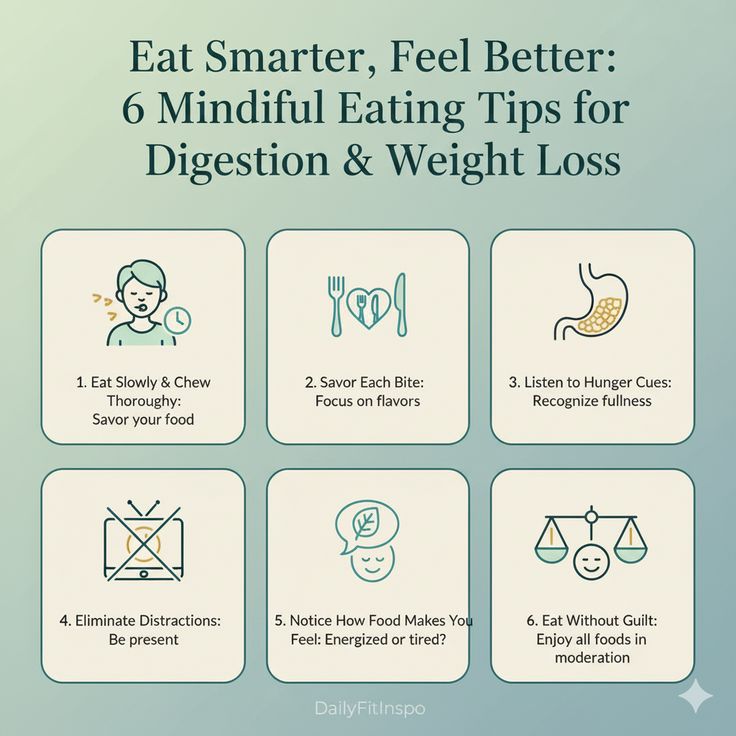
Digestion doesn’t begin in the stomach — it begins with how you eat.
Chewing, posture, and eating speed quietly shape gut comfort every day.
You don’t need perfection.
You need awareness and consistency.
Progress comes from small, repeatable habits.
SMALL STEPS MATTER
Start with just one habit today.
Slow one meal.
Sit upright.
Chew a little longer.
You may want to:
- Read a related gut health article
- Save or bookmark this guide
No pressure — just progress.
Also Read More : Weight Loss Diet: What It Is, How It Works & What to Expect
7 Simple Weight Loss Diet Rules That Actually Work for Busy People
Gut-Friendly Foods You Can Eat Daily for Better Digestion
FAQ
Q1. Does chewing really affect digestion?
Yes, chewing helps prepare food for smoother digestion.
Q2. How fast should I eat?
At a pace where you feel calm and comfortable.
Q3. Can posture cause bloating?
Poor posture may contribute to discomfort.
Q4. Is slow eating better for gut health?
Slow eating often supports better digestion.
Q5. Can these habits replace diet changes?
They support digestion but work best alongside balanced meals.
Q6. How long does it take to notice changes?
Results vary from person to person.
Q7. Does eating speed affect hunger?
Yes, fast eating can delay fullness signals.
Q8. Is screen-free eating necessary?
It helps improve awareness while eating.
Q9. Can children follow these habits?
Yes, these are beginner-friendly habits.
Q10. How chewing posture and eating speed affect gut health long-term?
Over time, these habits support consistent digestive comfort.