
Which of these eating habits feels easiest for you to start today? Most people try to fix digestion issues by changing foods — cutting dairy, avoiding carbs, or adding supplements. Yet bloating, heaviness, or discomfort still show up after meals. That’s because digestion depends not only on what you eat, but also how you eat.
Eating habits that improve digestion naturally play a major role in how your gut processes food every day. Simple actions like eating slowly, chewing well, and timing meals correctly can support smoother digestion without drastic changes.
From my experience, small habit adjustments are often easier to maintain than strict food rules — and they tend to feel more natural over time.
This article is regularly updated to reflect current wellness practices in 2026.
Who This Guide Is For
This guide is written for people who genuinely want better digestion but feel confused by too much advice online. If you’re someone who tries to eat healthy, avoids junk food, and still experiences bloating or heaviness, this content is meant for you.
It’s especially helpful for those looking for simple daily digestion-friendly habits — not complicated plans or strict rules. Many beginners assume gut health requires expensive supplements or extreme diets, but in reality, small daily habits often make the biggest difference.
If you’re just starting your gut health journey and want sustainable routines that fit real life — work schedules, family meals, busy mornings — this guide keeps things practical and realistic.
It’s also ideal for anyone who eats “healthy foods” but still feels uncomfortable after meals. When food quality is good but digestion still feels off, eating habits are often the missing piece.
Who Should Be Careful
This guide focuses on general wellness habits. If you have a diagnosed digestive condition or ongoing medical concerns, personalized guidance from a qualified professional is important. Listening to your body always comes first.
Why Poor Digestion Is So Common Today
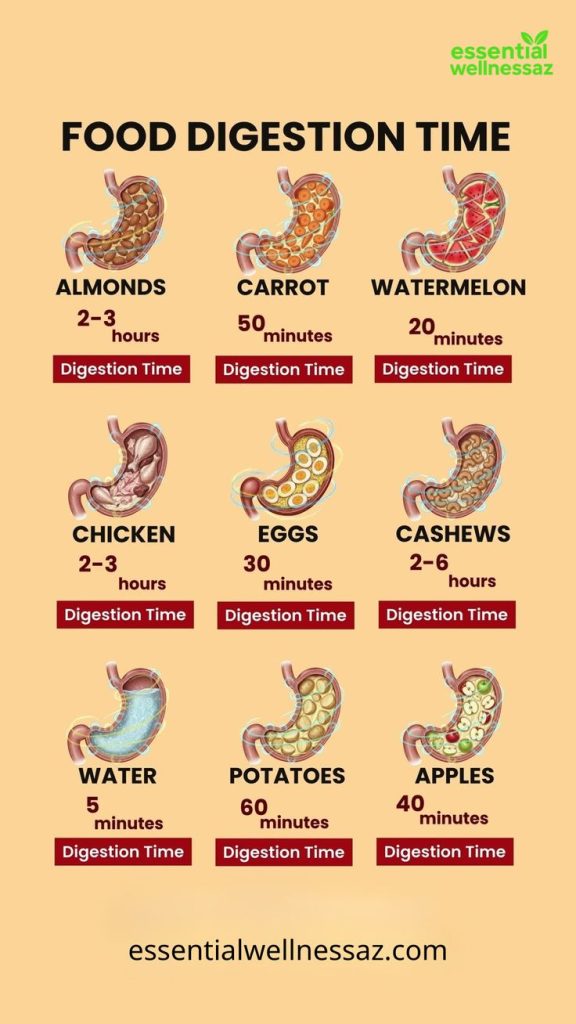
Digestive discomfort has become extremely common, not because people are eating worse than before, but because the way we eat has changed.
Meals are often rushed between meetings, eaten while scrolling phones, or delayed until late at night. Many people skip meals during busy hours and then eat large portions when exhaustion sets in. These patterns quietly disrupt the body’s natural digestive rhythm.
Most people focus only on food quality — choosing salads, whole grains, or home-cooked meals — while completely ignoring how digestion actually works. Habits like chewing properly, sitting posture, stress levels, and meal timing rarely get attention.
When these habits work against digestion, even nutritious food can feel heavy. The stomach struggles, the gut slows down, and discomfort builds gradually.
The result is bloating, irregular digestion, and a constant feeling that something isn’t right — even when there’s no obvious dietary problem. This frustration often leads people to keep changing foods instead of fixing the habits that truly matter.
Eating Habits That Improve Digestion Naturally – What Actually Helps
1️⃣ Eating Slowly Instead of Rushing Meals
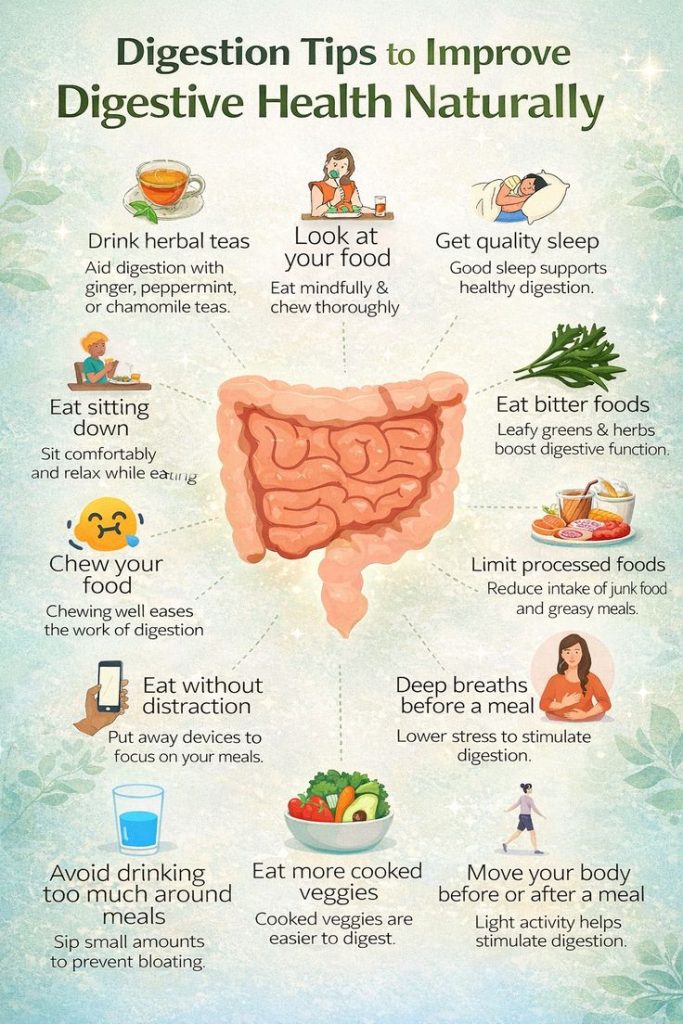
Eating slowly is one of the simplest yet most powerful habits for digestion. When meals are rushed, food reaches the stomach before the body is ready to process it.
In daily life, this often looks like finishing lunch quickly between tasks or eating dinner while mentally planning the next day. The stomach doesn’t get enough time to prepare, which can lead to heaviness or discomfort.
Slowing down doesn’t require extra time — it requires awareness. Putting the spoon down between bites or pausing briefly while eating allows the body to send proper digestive signals. Over time, this habit supports smoother digestion without putting stress on the gut.
What it is:
Eating at a relaxed pace rather than finishing meals quickly.
How to do it:
Put your spoon down between bites and avoid rushing to finish.
Daily life example:
Meals eaten while checking phones or emails are often finished without noticing fullness.
Why it helps:
Slow eating allows saliva and digestive signals to work properly, supporting smoother digestion without strain.
2️⃣ Chewing Food Properly Before Swallowing
Chewing is the first step of digestion, yet it’s one of the most ignored. When food is swallowed too quickly, the stomach has to work harder to break it down.
Many people notice bloating after meals not because the food is bad, but because it wasn’t chewed enough. Even simple foods can ferment in the gut when they reach the stomach in large pieces.
Chewing until food feels soft and easy to swallow reduces this burden. This habit quietly supports digestion by making food easier to process and absorb, especially for beginners.
What it is:
Breaking food down thoroughly before it reaches the stomach.
How to do it:
Chew solid foods until soft and easy to swallow.
Daily life example:
People who eat quickly often feel bloated even after simple meals.
Why it helps:
Well-chewed food is easier for the stomach to process and less likely to ferment in the gut.
3️⃣ Eating Without Screens or Distractions
The gut is closely connected to the nervous system. When meals are eaten while working, watching TV, or scrolling on phones, the body stays in a distracted state instead of a digestion-friendly one.
Mindless eating often leads to overeating, not noticing fullness, and post-meal discomfort. Many people are surprised to realize how different the same meal feels when eaten calmly.
Giving full attention to even one meal a day helps the body switch into a relaxed digestive mode. This simple change often improves comfort without changing food choices.
What it is:
Giving full attention to meals instead of multitasking.
How to do it:
Eat at least one daily meal without phones, TV, or work.
Daily life example:
Mindless eating often leads to overeating and discomfort.
Why it helps:
Focused eating signals the body to activate digestion-friendly responses naturally.
4️⃣ Maintaining Consistent Meal Timing
The digestive system follows a natural rhythm. When meals are skipped, delayed, or eaten randomly, this rhythm gets disrupted.
Irregular eating often leads to acidity, heaviness, or sluggish digestion. The gut doesn’t know when to prepare enzymes, and digestion becomes inefficient.
Maintaining consistent meal timing — without constant snacking or extreme gaps — helps the gut work predictably. Over time, this supports smoother digestion and better energy levels.
What it is:
Eating meals at regular times each day.
How to do it:
Avoid constant snacking or skipping meals followed by overeating.
Daily life example:
Irregular eating patterns often cause heaviness and acidity.Why it helps:
Consistency supports the gut’s natural rhythm and digestion flow.
5️⃣ Drinking Water at the Right Time
Water is essential for digestion, but timing matters more than most people realize. Drinking large amounts of water during meals can dilute digestive juices, making digestion feel slower.
This often shows up as heaviness after meals, especially when water is consumed quickly.
Sipping small amounts during meals and focusing on hydration between meals supports digestive efficiency without discomfort. It’s a subtle habit, but its impact is noticeable when practiced consistently.
What it is:
Hydrating without overwhelming digestion during meals.
How to do it:
Sip small amounts with meals and drink more water between meals.
Daily life example:
Large amounts of water during meals can increase heaviness.
Why it helps:
Proper hydration timing supports digestive efficiency.
6️⃣ Sitting Upright While Eating
Posture affects how food moves through the digestive system. Slouching, leaning forward, or lying down after meals compresses the abdomen and slows digestion.
Many people eat hunched over screens, unaware that this posture adds pressure to the stomach.
Sitting upright during meals and remaining upright for a short time afterward allows gravity to support digestion naturally. This habit is especially helpful for reducing heaviness and reflux-like discomfort.
What it is:
Maintaining good posture during meals.
How to do it:
Sit upright and avoid slouching or lying down after eating.
Daily life example:
Eating hunched over screens often worsens discomfort.
Why it helps:
Posture supports natural movement of food through the digestive system.
7️⃣ Gentle Movement After Meals
Digestion benefits from gentle movement, not complete rest. Sitting or lying down immediately after meals can slow digestive motion.
A short, relaxed walk after eating helps food move through the digestive tract more smoothly. This doesn’t mean exercise — just calm movement.
People who adopt this habit often notice reduced bloating and a lighter feeling after meals, especially in the evening.
What it is:
Light activity instead of immediate rest.
How to do it:
Take a calm 5–10 minute walk after meals.
Daily life example:
Short walks often reduce heaviness after dinner.
Why it helps:
Movement supports natural digestive motion without stress.
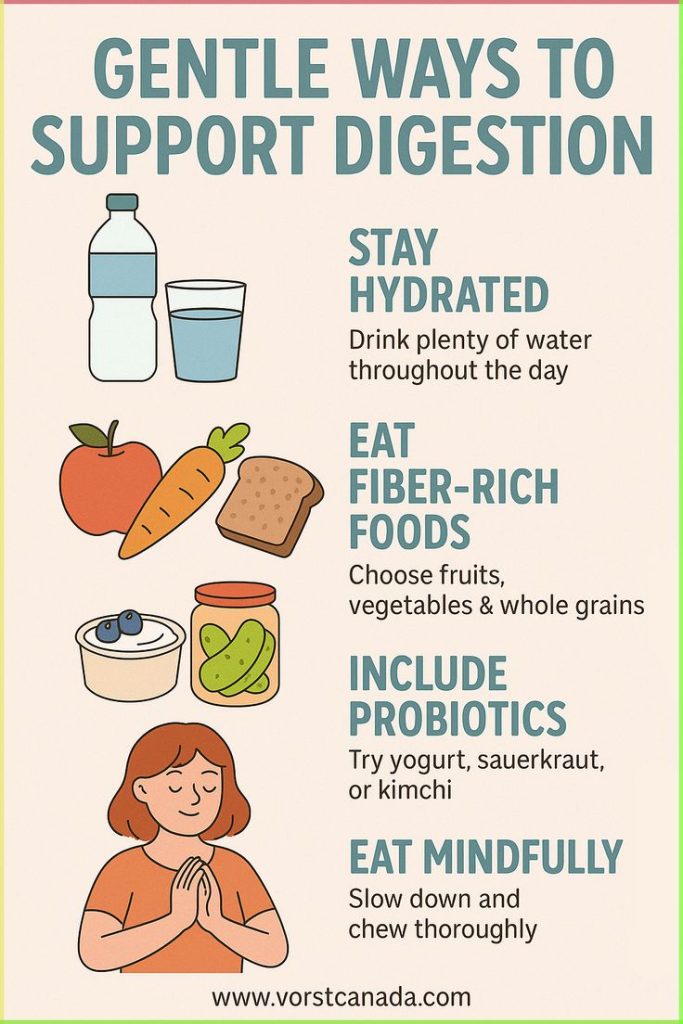
Reality Check
Digestive improvement looks different for everyone. Some people notice changes quickly, while others experience gradual progress.
Small habit changes matter more than drastic overhauls. Trying to change everything at once often leads to inconsistency.
When practiced regularly, these habits support long-term digestive wellness without pressure or extremes.
- Results vary from person to person
- Small habit changes matter more than drastic changes
- Consistency supports long-term digestive wellness
Quick Reference Table
This checklist helps you apply these habits easily in daily life:
| Habit | How Often | Beginner-Friendly |
| Eat slowly | Every meal | Yes |
| Chew food well | Every meal | Yes |
| Screen-free meals | 1 meal/day | Yes |
| Regular meal timing | Daily | Yes |
| Upright posture | Every meal | Yes |
| Post-meal walking | After meals | Yes |
What Results Can You Expect Over Time?
When followed consistently, these eating habits may help support smoother digestion and reduce post-meal heaviness. Many people become more aware of hunger and fullness cues, which naturally improves eating patterns.
Gut comfort often improves gradually, without drastic changes or strict rules. Individual experiences vary, but consistency plays a key role in long-term digestive wellness.
These eating habits may help:
- Support smoother digestion
- Reduce post-meal heaviness
- Improve awareness of hunger and fullness
- Encourage better gut comfort over time
Individual experiences vary, and gradual improvement is common with consistency.
Final Takeaway
Improving digestion doesn’t always require changing what’s on your plate. Often, it starts with slowing down, eating mindfully, and respecting your body’s rhythm. Small habit shifts, practiced consistently, can support digestion naturally over time. Focus on progress, not perfection.
Small Steps Matter
Start with just one habit today — even slowing one meal can make a difference.
You may also find it helpful to read our guide on why bloating happens even with healthy foods.
Also Read More : Weight Loss Diet: What It Is, How It Works & What to Expect
7 Simple Weight Loss Diet Rules That Actually Work for Busy People
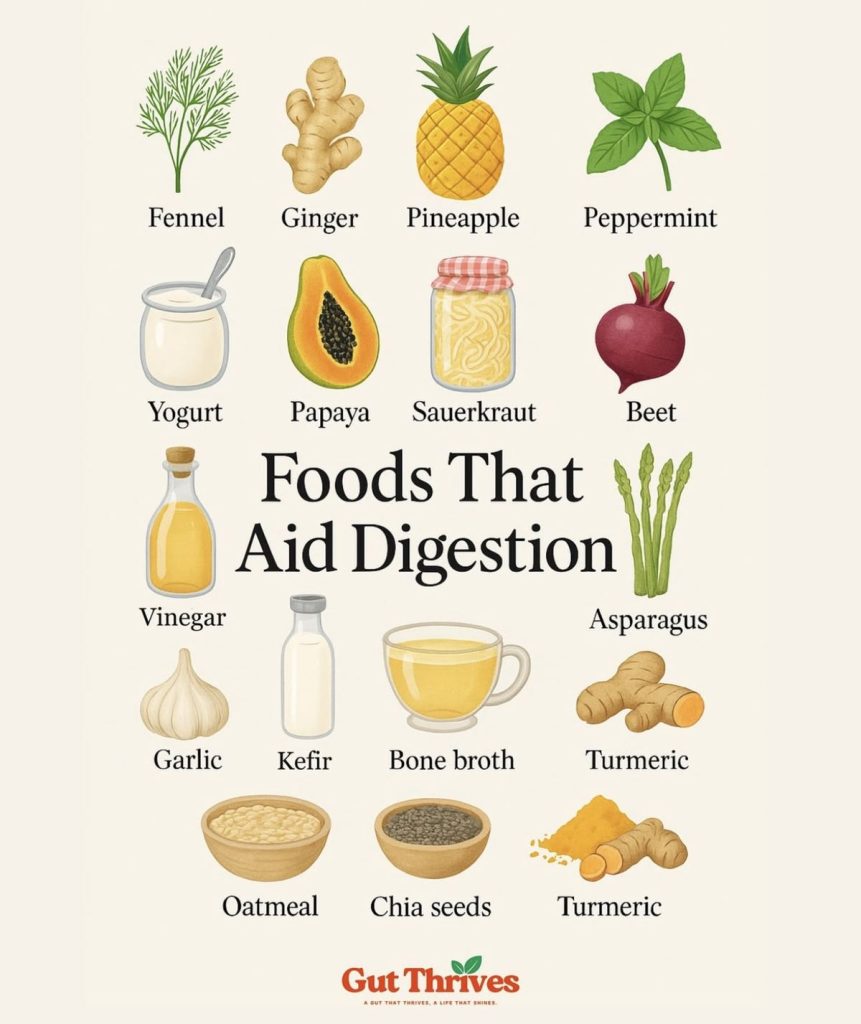
Gut-Friendly Foods You Can Eat Daily for Better Digestion
Frequently Asked Questions
Q1: Can eating habits really affect digestion?
A: Yes, eating habits influence how efficiently your digestive system processes food.
Q2: How long before noticing changes?
A: Many people notice gradual comfort improvements with consistent habits.
Q3: Do I need supplements for digestion?
A: Eating habits that improve digestion naturally often support gut health without supplements for many beginners.