

Stress and Poor Sleep Damage Gut Health :Which small habit—better sleep or calmer meals—feels easiest for you to start today?Have you ever noticed that your digestion feels worse during stressful weeks—even when you’re eating “healthy”? Or that bloating, acidity, or heaviness shows up after nights of poor sleep, without any clear food trigger?This is one of the most confusing experiences for beginners. You clean up your diet, avoid junk, add fruits and fiber—yet your gut still feels off. The missing piece is often stress and sleep, not food.
Stress doesn’t stay in your head. It quietly affects how your digestive system moves, rests, and responds. Poor sleep does the same—slowing digestion, disrupting hunger signals, and making the gut more sensitive.This article explains how stress and poor sleep quietly damage gut health, why this happens so often today, and what simple daily habits can help support digestion without extreme changes.
This guide is especially helpful for beginners who feel stuck despite eating well. From my experience, understanding this connection makes gut health feel less confusing and more manageable.
This article is regularly updated to reflect current wellness practices in 2026.
Who This Guide Is For
Many people focus only on food when digestion feels off. For example, someone may switch diets multiple times but still feel bloated every evening. This guide is for:
- People struggling with digestion despite “healthy eating”
- Beginners looking for realistic, sustainable gut support
- Those experiencing bloating, discomfort, or irregular digestion during stressful periods
Who Should Be Careful
If someone has ongoing digestive symptoms linked to a diagnosed medical condition, personal guidance matters. For example, sudden or severe digestive changes should not be ignored.
- Those with specific medical conditions should seek personal guidance
Why Stress and Poor Sleep Are So Common Today
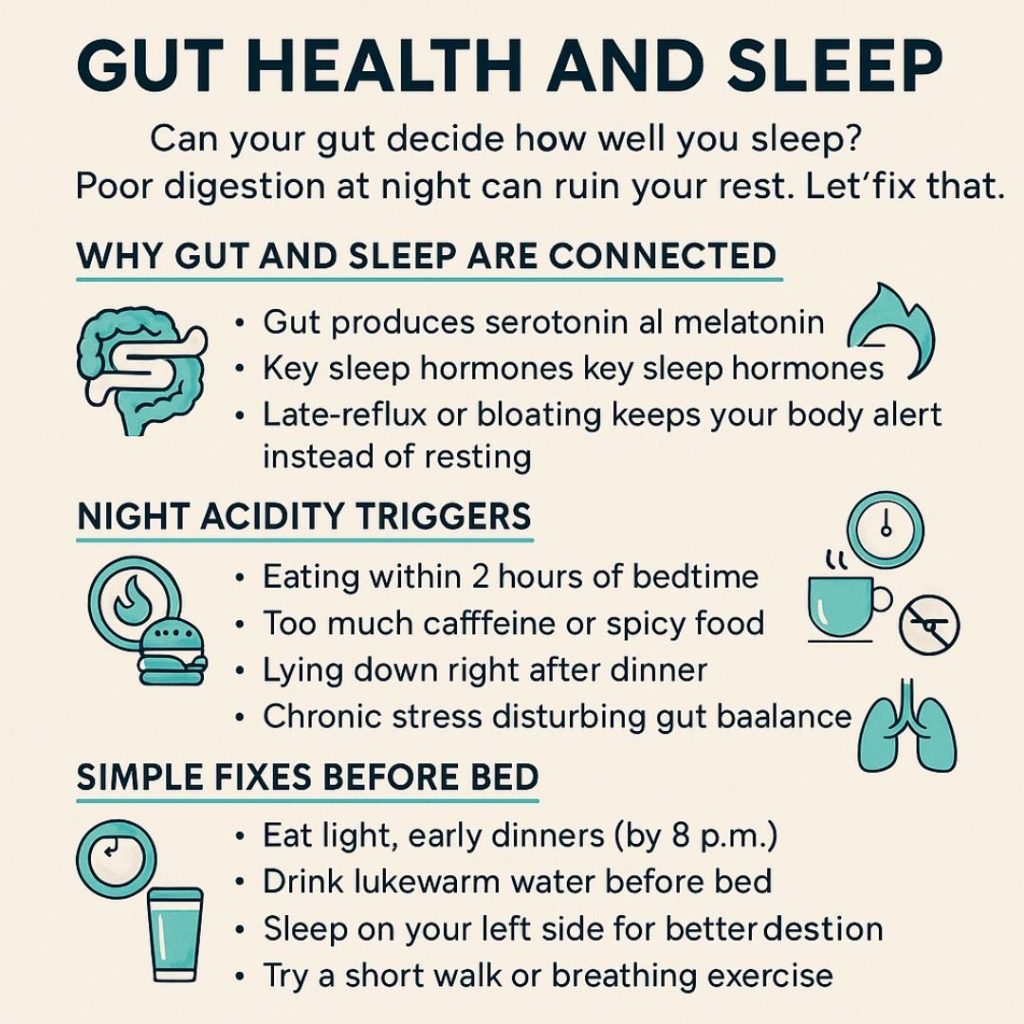
Modern life rarely gives the digestive system true rest. Even when we sit down, our minds stay busy. Deadlines, screens, late nights, and constant notifications keep the body in a “switched-on” state.
When stress becomes normal, digestion quietly changes:
- Meals are eaten quickly
- Sleep becomes lighter or shorter
- The gut stays tense instead of relaxed
Most people don’t connect these habits to digestion. They blame food instead. What usually goes wrong is trying to “fix” digestion with more restrictions instead of calming the system that controls it.
Stress and Gut Health – What Actually Helps
1. Stress Slows Digestive Movement
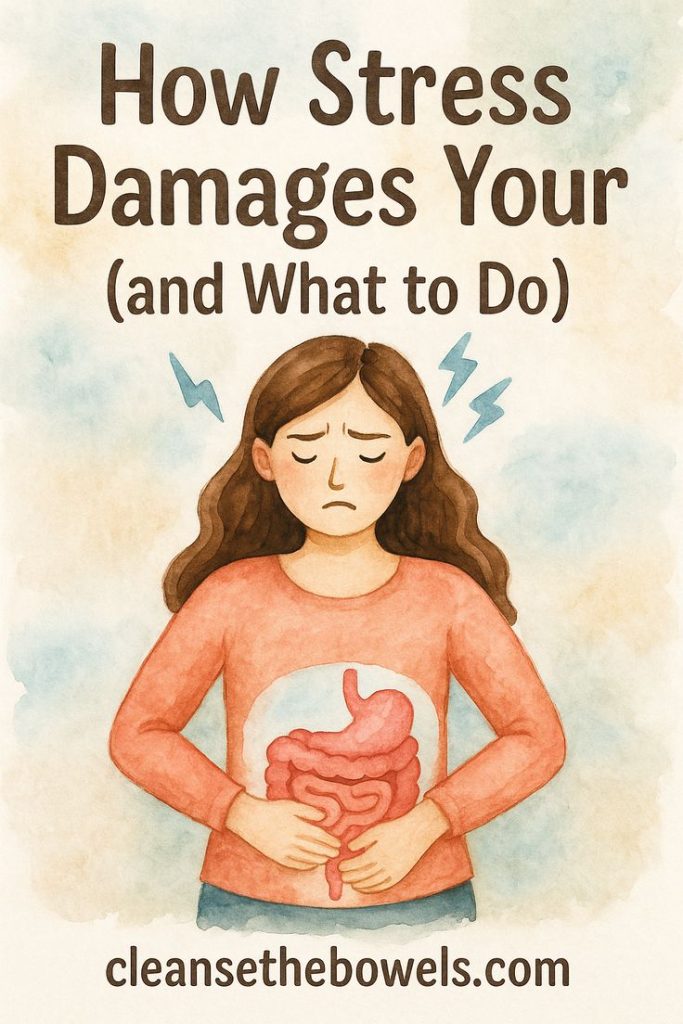
When the body feels stressed, it shifts energy away from digestion. Imagine eating during an anxious moment—your stomach feels tight, not ready.
Stress can slow how food moves through the gut, leading to heaviness, bloating, or discomfort later in the day. This doesn’t mean the food was bad—it means digestion wasn’t supported at that moment.
2. Poor Sleep Disrupts Digestive Rhythm
Your gut follows a daily rhythm, just like your sleep cycle. When sleep is irregular, digestion loses timing.
For example, late nights often lead to late meals, rushed mornings, and skipped breakfast. Over time, the gut becomes confused about when to work and when to rest, which may lead to irregular digestion.
3. Stress Changes How Sensitive Your Gut Feels
During stressful periods, the gut becomes more reactive. Foods that once felt fine may suddenly cause bloating or discomfort.
This doesn’t mean intolerance—it means the gut is in a sensitive state. I have seen this happen often when people are under emotional or work pressure.
4. Shallow Sleep Reduces Digestive Recovery
Deep sleep is when the body resets. When sleep is light or broken, the digestive system doesn’t fully recover.
Over time, this may lead to morning heaviness, reduced appetite signals, or discomfort after meals—even simple ones.
5. Stress Affects Appetite Signals
Stress and poor sleep confuse hunger cues. You may feel hungry at odd times or overly full after small meals.
This mismatch affects digestion because the body isn’t prepared to process food efficiently when signals are unclear.
6. Evening Stress Impacts Next-Day Digestion
Stress doesn’t reset overnight. A tense evening often leads to poor sleep, which then affects digestion the next day.
For example, a stressful night may result in bloating after breakfast—even if the meal hasn’t changed.
7. Eating While Distracted Weakens Digestive Response
When meals are eaten while scrolling or worrying, digestion stays partially “off.”
The gut responds best when meals are calm. Even small moments of focus—sitting, chewing slowly—can support digestion over time.
8. Chronic Stress Creates Digestive Inconsistency
One good day doesn’t cancel several stressful ones. When stress becomes ongoing, digestion becomes unpredictable.
This inconsistency is what frustrates beginners the most—it feels random, but it’s not.
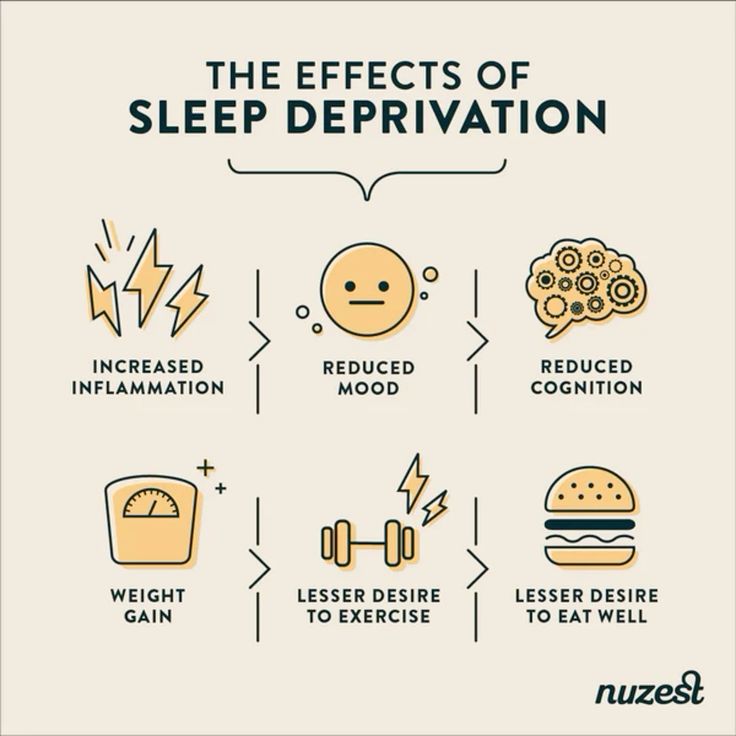
9. Poor Sleep Increases Digestive Sensitivity
Lack of sleep lowers tolerance. The gut reacts more strongly to normal foods, portions, or meal timing.
This is why digestion often feels worse after late nights, even without diet changes.
10. Calm Routines Support Gut Balance
Gentle routines—regular meals, consistent sleep, calm evenings—create safety signals for the gut.
No extreme methods are needed. Small, repeated habits support digestion naturally over time.
REALITY CHECK
Everyone’s body responds differently. Some people notice changes quickly, others slowly. Small steps matter more than big overhauls. Consistency supports long-term wellness more than perfection.
Quick Reference Table
| Habit | How Often | Beginner-Friendly |
| Calm meals | Daily | Yes |
| Consistent sleep time | Most days | Yes |
| Reduced evening stress | Daily | Yes |
What Results Can You Expect Over Time?
- Digestion may feel more predictable
- Bloating can reduce gradually
- Meals often feel lighter and easier
(No promises. No timelines.)
CONCLUSION
Gut health isn’t only about what you eat—it’s also about how rested and calm your body feels. Stress and poor sleep quietly influence digestion every day, often without obvious signs.
Progress doesn’t come from strict rules, but from supportive routines. Start small. Focus on consistency, not control.
If this helped, consider reading a related gut health post or saving this article for later reference.
Also Read More : Weight Loss Diet: What It Is, How It Works & What to Expect
7 Simple Weight Loss Diet Rules That Actually Work for Busy People
Gut-Friendly Foods You Can Eat Daily for Better Digestion
FAQ SECTION
Q1: Can stress really affect digestion?
A: Yes, stress and gut health are closely connected through daily body responses.
Q2: Does poor sleep cause bloating?
A: Poor sleep can increase digestive sensitivity, which may lead to bloating.
Q3: Is food always the problem?
A: Not always—lifestyle factors often play a role.
Q4: How can beginners support digestion?
A: Calm meals, regular sleep, and consistency help.
Q5: Can digestion improve without supplements?
A: Many people notice support through habits alone.


