

Healthy Foods Upset Your Gut: Which healthy food causes you the most digestive discomfort?
You switch to healthy eating.
More fruits, vegetables, nuts, and whole foods.
Everyone says your digestion should feel lighter — but instead, your stomach feels tight, bloated, or uneasy.
That confusion is incredibly common.
Many beginners assume that if a food is labeled healthy, it should automatically feel good in the body. When it doesn’t, people panic, blame their gut, or think something is seriously wrong.
The truth is simpler: some healthy foods are still hard to digest, especially when eaten in the wrong way, wrong quantity, or wrong time.
This topic matters because gut discomfort often isn’t about bad food choices — it’s about how digestion works, especially for beginners.
This guide helps people who want to eat better without fear, guilt, or extreme restriction.
From my experience, understanding why certain healthy foods cause discomfort made eating feel calmer and more predictable.
This article is regularly updated to reflect current wellness practices in 2026.
Who This Guide Is For
Many people eat “clean” but still feel uncomfortable. For example, someone adds smoothies, salads, and nuts daily and wonders why bloating increases.
This guide is for:
- People trying to improve digestion naturally
- Beginners confused by “healthy food” reactions
- Anyone who feels worse after eating nutritious meals
Who Should Be Careful
If someone has diagnosed digestive conditions, reactions to foods may differ.
Those with specific medical conditions should seek personal guidance before making major dietary changes.
Why Healthy Foods Still Cause Digestive Problems
Healthy foods often contain fiber, natural sugars, and plant compounds that take effort to digest.
What is happening:
- The gut isn’t used to higher fiber
- Eating patterns change suddenly
- Portion sizes increase unknowingly
Why people struggle:
- They eat too much “healthy food” too fast
- They ignore preparation and timing
- They eat while stressed or distracted
What usually goes wrong:
- Raw foods overload digestion
- Mixing too many foods together
- Expecting instant comfort
Healthy Foods That Upset Your Gut – What Actually Helps
1. Raw Vegetables
Raw vegetables are nutritious, but they require more digestive effort.
For example, a large raw salad at dinner may feel heavy because digestion naturally slows at night. Cooking softens fibers, making them easier to process.
What helps:
- Light cooking
- Smaller portions
- Eating raw foods earlier in the day
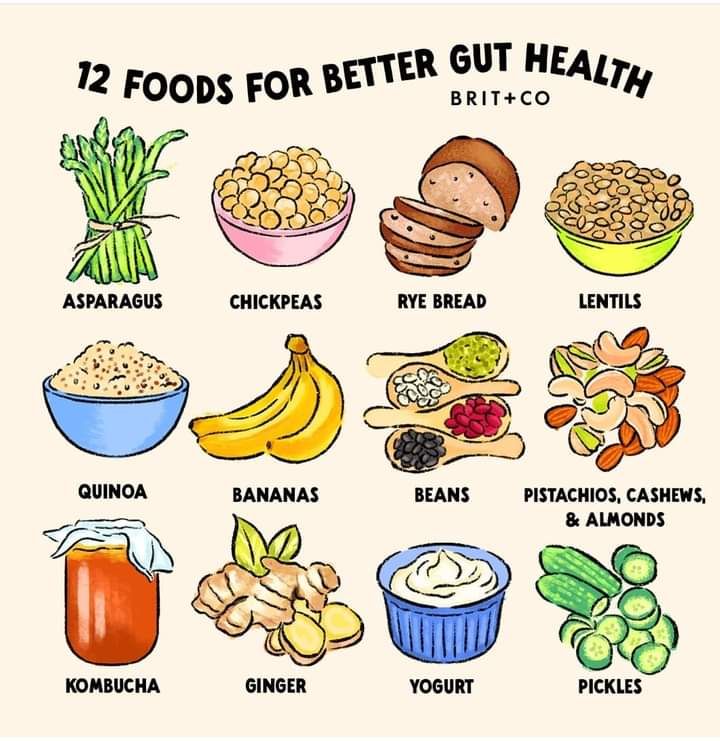
2. Beans and Lentils
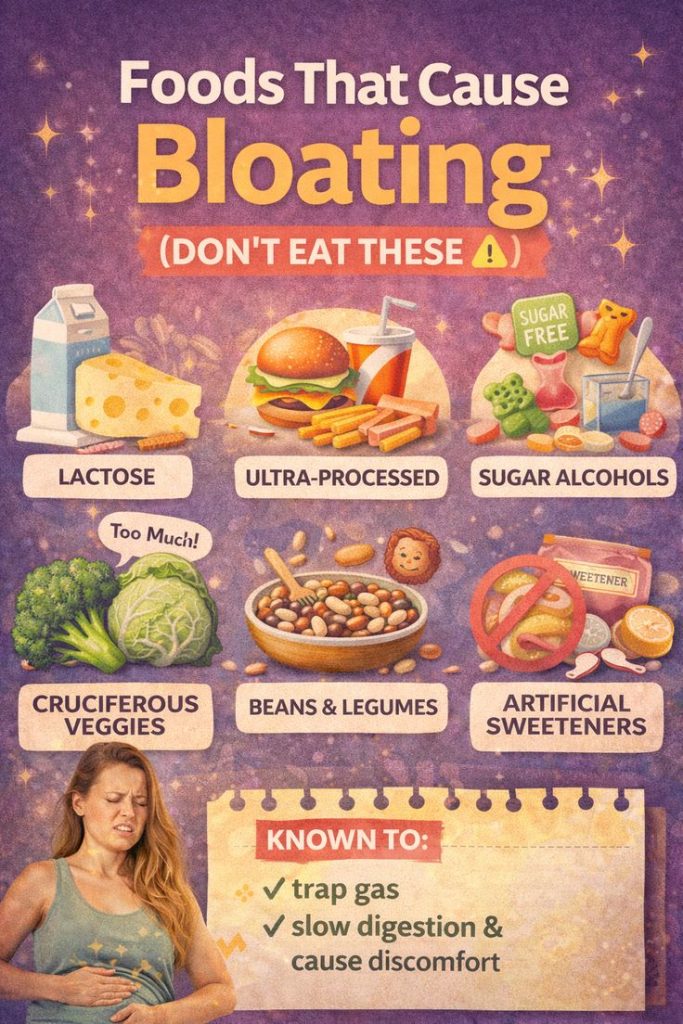
Beans are often promoted as gut-friendly, but beginners feel gassy after eating them.
This happens because beans contain fibers that ferment in the gut. When introduced suddenly, they cause discomfort.
I have seen this work better when beans are soaked well, cooked thoroughly, and eaten in small amounts.
3. Nuts and Seeds
Nuts are healthy but dense.
For example, eating handfuls of almonds as snacks may cause heaviness because fats slow digestion.
What helps:
- Smaller portions
- Proper chewing
- Pairing with warm foods
4. Dairy Products
Some people digest dairy easily, others don’t.
Milk, yogurt, or cheese may cause bloating depending on individual tolerance — not because dairy is bad, but because digestion varies.
Observation matters more than labels.
5. Fruits High in Natural Sugar
Fruits like apples, mangoes, and grapes are healthy but can ferment if eaten in large quantities or after heavy meals.
This can lead to gas or bloating.
What helps:
- Eating fruit alone or earlier in the day
- Avoiding large fruit bowls at night
6. Whole Grains
Whole grains contain fiber that supports digestion long-term, but beginners often feel heaviness initially.
For example, switching from white rice to brown rice overnight can feel uncomfortable.
Gradual transition supports adaptation.
7. Smoothies
Smoothies feel light but often contain too many ingredients.
Blending fruits, seeds, greens, and nut butters together creates a heavy digestive load.
Simple smoothies digest better than “everything blended together.”
8. Cruciferous Vegetables
Vegetables like broccoli and cauliflower are nutritious but gas-forming.
Cooking them well reduces discomfort.
Raw cruciferous vegetables are harder for beginners.
9. Fermented Foods
Fermented foods are often recommended, but too much too soon can upset digestion.
Small amounts work better than large servings.
10. Healthy Oils
Healthy fats like olive oil or coconut oil are beneficial, but excess oil slows digestion.
Moderation supports comfort.
11. Protein-Heavy Meals
High-protein meals without balance can feel heavy.
Adding simple carbs or vegetables helps digestion feel smoother.
REALITY CHECK
Not every healthy food suits every digestive system immediately.
Results vary from person to person.
Small steps matter more than quick changes.
Consistency supports long-term wellness.
QUICK REFERENCE TABLE
| Food Type | Best Approach | Beginner-Friendly |
| Raw veggies | Lightly cooked | Yes |
| Beans | Soaked & cooked | Yes |
| Fruits | Small portions | Yes |
| Nuts | Moderate intake | Yes |
WHAT RESULTS CAN YOU EXPECT OVER TIME?
With gentle adjustments, people may notice:
- Less bloating
- Better meal comfort
- Improved digestion awareness
- Reduced food fear
CONCLUSION
Healthy eating should feel supportive, not stressful. Discomfort doesn’t mean failure — it means adjustment is needed.
Understanding digestion brings confidence back to food choices.
SMALL STEPS MATTER
Start by adjusting one food, not everything at once.
Bookmark this guide for reference.
Explore related gut health posts when ready.
Also Read More : Weight Loss Diet: What It Is, How It Works & What to Expect
7 Simple Weight Loss Diet Rules That Actually Work for Busy People
Gut-Friendly Foods You Can Eat Daily for Better Digestion
FAQ SECTION
Q1: Can healthy foods still upset digestion?
Yes, especially if introduced suddenly.
Q2: Should I stop eating these foods?
Not necessarily — preparation matters.
Q3: Are raw foods bad for gut health?
Not bad, but harder to digest for beginners.
Q4: Why do fruits cause bloating?
Natural sugars ferment when digestion is slow.
Q5: Do healthy foods cause gas?
Some can, depending on portion and timing.
Q6: Should beginners avoid fiber?
No, increase gradually.
Q7: Are smoothies always gut-friendly?
Not when overloaded with ingredients.
Q8: Can digestion improve naturally?
Gentle habits often support improvement.
Q9: Does cooking help digestion?
Yes, it reduces digestive effort.
Q10: Why do healthy foods upset your gut?
Healthy foods that upset your gut often do so because digestion needs time to adapt.


