

Which digestive sign have you been ignoring without realizing it? Many digestive problems don’t start loudly.
They begin quietly — a little heaviness after meals, mild bloating, irregular digestion, or feeling uncomfortable without knowing why. Because these issues don’t cause immediate pain, most beginners ignore them, assuming they’re normal or temporary.
Over time, however, these small signs often grow into bigger daily discomforts that affect energy, mood, eating habits, and overall wellness.
Understanding common digestive problems beginners ignore until they get worse is not about fear. It’s about awareness. When you notice patterns early, gentle daily changes become easier — and more sustainable — than trying to fix bigger problems later.
From my experience, digestive comfort improves most when people stop ignoring early signals and start paying attention to everyday habits.
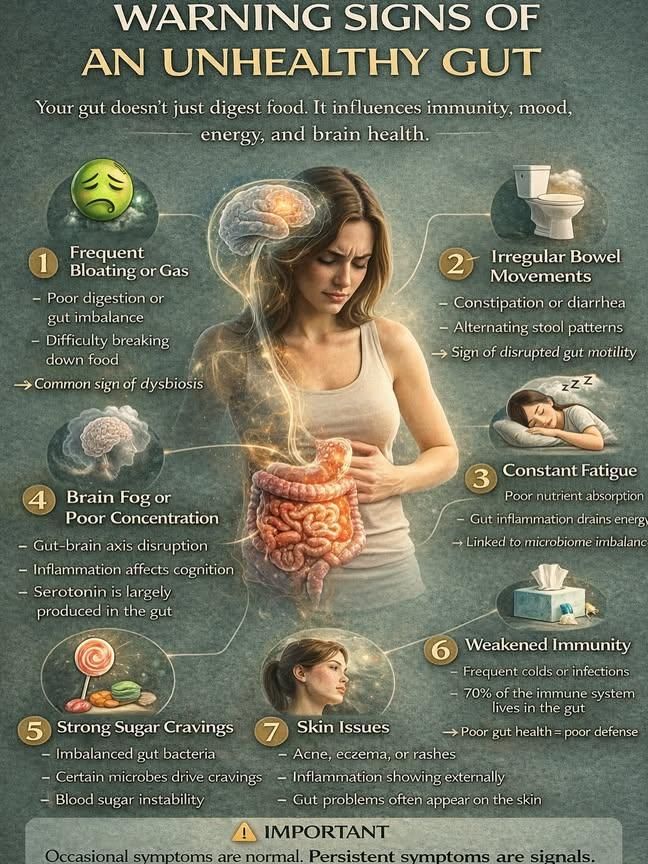
This article is regularly updated to reflect current wellness practices in 2026.
Who This Guide Is For
This guide is for people who feel “mostly fine” but notice small digestive discomforts they can’t explain.
For example, someone may eat home-cooked meals yet feel heavy every evening, or wake up feeling tired despite sleeping well. These situations are common, especially among beginners who are new to healthy eating or lifestyle changes.
It’s also helpful for:
- People starting their gut-health journey
- Those who think digestive issues are “normal”
- Anyone wanting long-term digestive comfort without extreme changes
Who Should Be Careful
If digestive discomfort is severe, painful, or persistent, personal medical guidance is important. This guide focuses on daily awareness and habits, not diagnosis or treatment.

Why Digestive Problems Are So Easy to Ignore at First
Digestive issues often grow slowly.
At first, the signs seem harmless:
- Mild bloating
- Occasional constipation
- Irregular appetite
- Feeling full for too long
Because these symptoms come and go, people adjust their lives around them instead of addressing them. Over time, this creates a cycle where discomfort becomes “normal.”
What usually goes wrong is not one bad food — it’s repeated daily habits that quietly strain digestion.
Common Digestive Problems Beginners Ignore Until They Get Worse
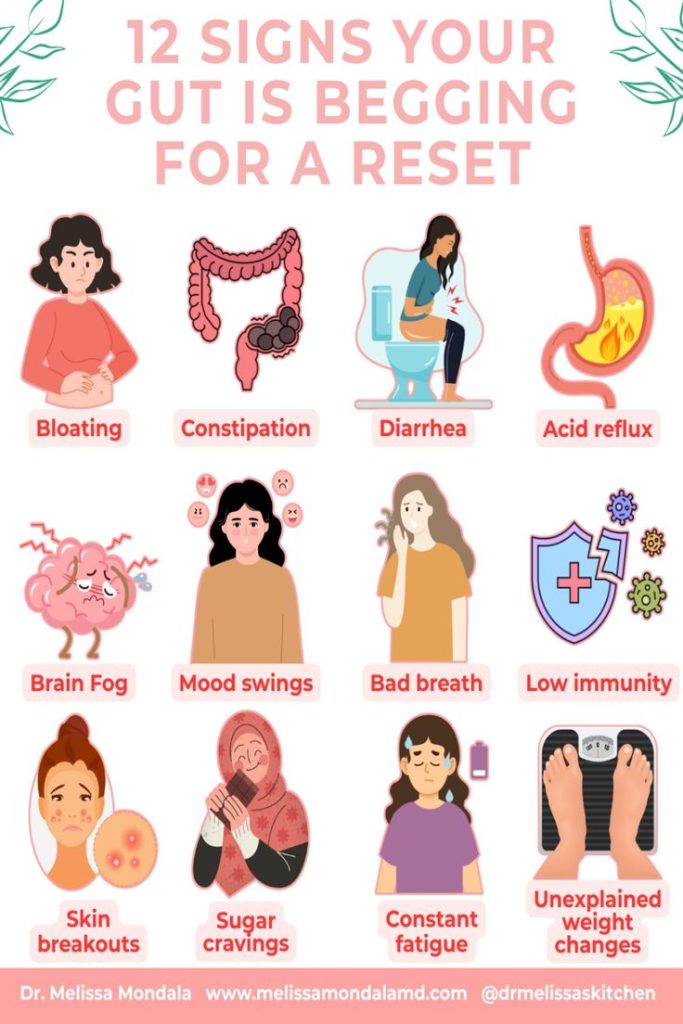
1️⃣ Frequent Bloating That Comes and Goes
Bloating is one of the first digestive signs people dismiss.
It may appear after lunch, in the evening, or randomly during the day. Because it often disappears by the next morning, many people ignore it. Over time, however, frequent bloating can become a daily experience rather than an occasional one.
This usually happens when digestion is working, but not smoothly. Eating too fast, large portions, irregular timing, or stress during meals often play a role. When bloating becomes frequent, it’s often the gut asking for calmer, more consistent routines.
2️⃣ Feeling Heavy or Sleepy After Meals
Many beginners assume post-meal tiredness is normal.
Feeling slightly relaxed after eating is natural, but feeling extremely heavy, sluggish, or sleepy after most meals can signal digestive strain. This often happens when meals are eaten quickly, in large portions, or during stressful moments.
Over time, ignoring this heaviness can affect energy levels throughout the day, making people feel tired even when they eat “healthy” foods.
3️⃣ Irregular Bowel Movements
Some days digestion feels normal. Other days it doesn’t.
Beginners often ignore irregular bowel patterns because there’s no pain involved. However, inconsistency — whether going too often or too rarely — usually reflects disrupted digestive rhythm.
This inconsistency can slowly worsen if daily routines remain irregular, including inconsistent meal times, hydration habits, or sleep schedules.
4️⃣ Gas and Discomfort Without Clear Cause
Occasional gas is normal, but frequent discomfort without obvious triggers often points to digestive imbalance, not bad food.
Many people blame specific foods and start avoiding them unnecessarily, instead of observing how they eat, when they eat, and how their body responds over time.
Ignoring frequent gas can lead to increasing discomfort and food anxiety.
5️⃣ Loss of Appetite or Constant Snacking
Digestive discomfort doesn’t always show as pain.
Sometimes it appears as a reduced appetite or constant snacking instead of proper meals. This happens when digestion feels unpredictable — the body hesitates to ask for food.
Over time, this pattern can disturb hunger cues and lead to irregular eating habits that worsen digestion further.
6️⃣ Acidic Sensations or Mild Burning Feelings
Mild acidity is often ignored because it feels manageable.
Beginners may rely on quick fixes or assume it’s temporary. But recurring acidic sensations usually indicate digestive timing issues, eating too late, or lying down soon after meals.
Ignoring this can slowly increase discomfort, especially at night.
7️⃣ Feeling Better When Skipping Meals
Some people feel less bloated when they eat less — so they skip meals.
This may feel helpful short-term, but it often worsens digestion long-term. Skipping meals disrupts digestive rhythm, making the gut less prepared when food finally arrives.
Over time, this can increase sensitivity rather than improve comfort.
8️⃣ Digestive Discomfort Linked to Stressful Days
Many beginners separate stress and digestion.
In reality, digestion is deeply connected to mental state. Eating during stressful moments, multitasking, or emotional tension often affects digestion silently.
Ignoring this connection may lead people to blame food instead of addressing meal environment and mindset.
9️⃣ Depending on “Healthy Foods” Without Listening to the Body
Healthy food alone doesn’t guarantee digestive comfort.
Beginners often assume that eating fruits, vegetables, and whole foods automatically fixes digestion. When discomfort continues, confusion grows.
What’s ignored is individual tolerance, timing, portions, and daily rhythm — all of which matter as much as food quality.
🔟 Accepting Digestive Discomfort as Normal
This is the most common mistake.
Many people accept daily bloating, heaviness, or discomfort as part of life. Over time, this acceptance prevents early adjustment and allows problems to grow quietly.
Digestive comfort is not about perfection — it’s about noticing patterns early.
Reality Check
Digestive experiences differ from person to person.
Some people notice improvement quickly, others slowly. Small daily adjustments matter more than drastic changes. Consistency supports long-term digestive wellness better than extreme fixes.

What You May Notice Over Time
With awareness and gentle routine changes, many people notice:
- Improved comfort after meals
- Less bloating frequency
- More predictable digestion
- Better energy levels
No timelines.
No promises.
Just steady progress.
Conclusion
Digestive problems don’t suddenly appear — they grow quietly when ignored.
Listening early doesn’t require strict diets or fear. It simply means paying attention to daily habits, meal patterns, and how your body responds.
When beginners stop ignoring small signs, digestion often becomes easier to support — naturally and sustainably.
Small Steps Matter
You don’t need to change everything today.
Start by noticing:
- How fast you eat
- How you feel after meals
- When discomfort appears
Awareness is the first step.
You may want to save this article or read a related gut-health guide when ready.
Also Read More : Weight Loss Diet: What It Is, How It Works & What to Expect
7 Simple Weight Loss Diet Rules That Actually Work for Busy People
Gut-Friendly Foods You Can Eat Daily for Better Digestion
Frequently Asked Questions
Q1. Are digestive problems normal for beginners?
Many beginners experience mild issues as routines change, but patterns matter.
Q2. Should I ignore mild bloating?
Occasional bloating is normal, frequent bloating deserves attention.
Q3. Can stress affect digestion?
Yes, stress often influences digestive comfort.
Q4. Do healthy foods cause digestive problems?
Sometimes timing and habits matter more than food choice.
Q5. Is irregular digestion a problem?
Inconsistency often signals routine imbalance.
Q6. Can eating fast affect digestion?
Yes, speed affects digestive preparation.
Q7. Why does skipping meals feel better sometimes?
It reduces immediate load but disrupts digestion long-term.
Q8. How long does digestion take to improve?
It varies — consistency matters more than speed.
Q9. Is gas always a bad sign?
Occasional gas is normal; frequent discomfort needs awareness.
Q10. Why are common digestive problems beginners ignore until they get worse?
Because early signs feel manageable and are often mistaken as normal.


